Can you nickel plate plastic?
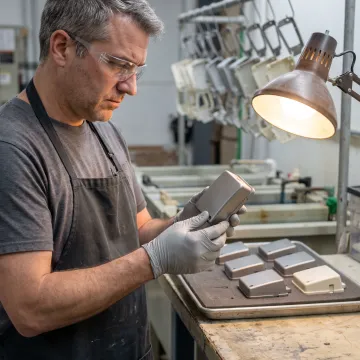
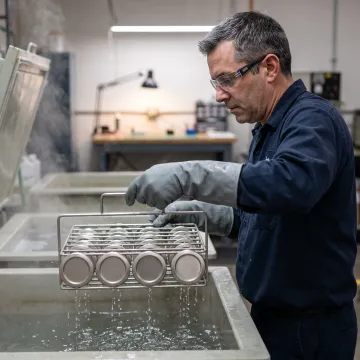
Yes, electroless nickel plating on plastic is a specialized process we've perfected over 60 years. We pre-treat the plastic surface using advanced etching and activation techniques, then apply a conductive layer that allows electroless nickel deposition. The process works on engineering plastics including ABS, polypropylene, Ultem, Nylon, and LCP. Our systems deliver superior adhesion and uniform coverage on complex geometries where traditional electroplating would fail, making it ideal for electronic, medical, and industrial components requiring metal-like properties on plastic substrates.
What materials can be electroless nickel plated?
Our electroless nickel plating capabilities extend across most engineering-grade plastics including ABS, polypropylene, PC/ABS, Ultem, Nylon, LCP, and other specialized substrates. We've also developed expertise with difficult-to-metallize materials like PP and HDPE through proprietary pre-treatment processes. Beyond plastics, we can electroless nickel plate metal substrates including brass, steel, zinc, and white metal. Each material requires specific surface preparation protocols to ensure optimal adhesion, corrosion resistance, and finish consistency—expertise we've refined through decades of high-volume production across multiple industries.
How durable is electroless nickel plating on plastic components?
Electroless nickel plating on plastic delivers exceptional durability when properly applied with our advanced pre-treatment and coating systems. The finish provides superior corrosion resistance, excellent wear properties, and maintains adhesion even under thermal cycling and mechanical stress. Our proprietary processes ensure the coating remains intact through assembly, bulk packaging, and end-use conditions. We frequently conduct adhesion testing including tape tests, cross-hatch testing, and environmental exposure protocols to verify performance. For applications requiring maximum durability, we can apply protective topcoats including UV-cured layers that add scratch resistance and chemical protection while maintaining the metallic appearance.
What industries benefit most from electroless nickel plating on plastic?
Electronic, medical, plumbing, and hardware industries rely heavily on electroless nickel plating for plastic components where matching metal and plastic finishes is critical. Electronics manufacturers use it for EMI/RFI shielding, connector housings, and enclosures. Medical device makers require the biocompatibility and corrosion resistance for instrument components and housings. Plumbing and hardware applications demand aesthetic consistency across mixed-material assemblies. Automotive applications benefit from the durability and conductivity. We also serve cosmetic brands requiring flawless metallic finishes on caps, closures, and packaging components where appearance standards rival fine jewelry.
How long does the electroless nickel plating process take?
Our streamlined electroless nickel plating process typically completes within 5-10 business days from receipt of parts to finished goods shipment, though timelines vary based on part complexity, quantity, and finish specifications. We operate 24-5 production schedules and maintain dedicated plating lines that process over a million parts weekly. For prototypes and sampling, we offer expedited service moving parts from initial samples to production approval in half the industry's standard lead times. Our in-house custom tooling design and build capability eliminates third-party delays. Rush services are available for urgent projects requiring faster turnaround without compromising quality standards.
Can electroless nickel plating match other metal finishes?
Yes, electroless nickel serves as an excellent foundation for matching virtually any metal finish achievable on actual metal substrates. We can apply decorative chrome, satin nickel, brushed stainless, antique brass, and numerous other finishes over the electroless nickel base layer. Our plating-on-plastic systems produce over 30 different finishes, ensuring seamless visual coordination between metal and plastic components in multi-material assemblies. This capability is especially critical in plumbing fixtures, hardware applications, and electronic devices where aesthetic consistency across materials directly impacts perceived quality. We maintain strict color and finish matching protocols to ensure batch-to-batch consistency.
What quality standards does your electroless nickel plating meet?
Our electroless nickel plating systems meet rigorous European quality standards and comply with ROHS regulations for environmental safety. We maintain approved supplier status with global brands including Estée Lauder, L'Oreal, Avon, and Elizabeth Arden—each requiring strict quality control protocols, adhesion testing, and finish consistency verification. Our quality assurance includes incoming material inspection, in-process monitoring, and final inspection covering appearance, adhesion, thickness, and corrosion resistance. Every production run undergoes documented testing to ensure compliance with industry specifications. For specialized applications, we can certify finishes to customer-specific standards including automotive, medical device, and military specifications.
Do you offer free samples of electroless nickel plated parts?
Yes, we provide complimentary sampling services for most customers and applications to verify finish quality, adhesion performance, and aesthetic suitability before committing to production. Simply send us your plastic parts or provide CAD files, and we'll process samples demonstrating the electroless nickel finish along with any additional coating layers you're considering. Our separate custom tooling division enables rapid fixture design and fabrication, accelerating the sampling timeline significantly. Sample evaluation allows you to assess appearance under various lighting conditions, test adhesion and durability, and confirm compatibility with your assembly processes—ensuring complete confidence before scaling to full production volumes.