Why is polished nickel so expensive?
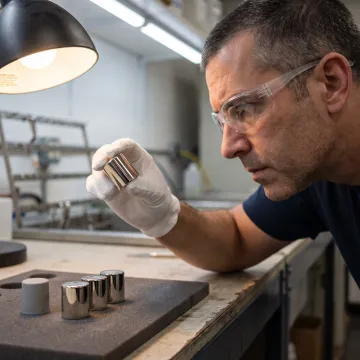
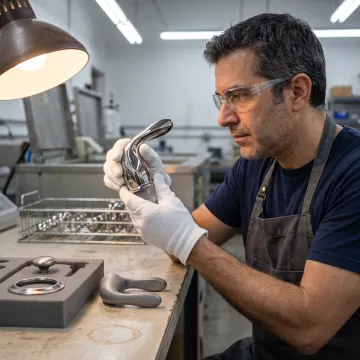
Polished nickel finishes command premium pricing due to the multi-step electroplating process, specialized chemical baths, and rigorous quality control required to achieve jewelry-quality results. The process involves thorough surface preparation, precise nickel deposition under controlled electrical current, and often a protective topcoat—each step demanding expertise and specialized equipment. High-quality polished nickel also uses purer nickel alloys and thicker plating layers for superior durability and corrosion resistance, especially for architectural hardware and plumbing fixtures. Our 60+ years of experience allows us to optimize these processes, delivering exceptional value through consistent quality, reduced defect rates, and faster turnaround times than industry standards.
Does polished nickel tarnish easily?
Quality polished nickel finishes resist tarnishing significantly better than many alternatives, though performance depends heavily on the plating process and protective coatings used. Our electroplating systems include electroless nickel undercoats and optional UV topcoats that create exceptional barriers against oxidation, moisture, and chemical exposure. For high-touch applications like cosmetic packaging, hardware, and plumbing fixtures, we apply proprietary scratch-resistant and fragrance-resistant topcoats that prevent both tarnishing and surface degradation. Properly finished polished nickel maintains its brilliant luster for years under normal use. We also offer satin and brushed nickel variations that naturally mask minor surface changes better than high-polish finishes while providing identical corrosion protection.
What substrates can receive polished nickel finishes?
We apply polished nickel finishes to virtually any substrate—plastic, metal, and glass—using specialized processes tailored to each material. Our plating-on-plastic capabilities work with ABS, polypropylene, polycarbonate, and engineering grades like Ultem, Nylon, and LCP. Metal substrates include brass, steel, zinc alloys (Zamac), and aluminum. We've developed advanced pretreatment and adhesion promotion techniques, including proprietary plasma treatments for difficult materials like polycarbonate, ensuring flawless adhesion without embrittling parts. This versatility is critical for applications requiring matching finishes across dissimilar materials—common in plumbing fixtures, architectural hardware, and cosmetic packaging where metal and plastic components must appear identical.
How long does the polished nickel finishing process take?
Our streamlined processes and in-house tooling design capability enable us to complete polished nickel finishing projects in half the typical industry lead times. Sample parts often move through pretreatment, plating, and topcoating within days, while production runs benefit from our 24-5 operating schedule and capacity to process over a million parts weekly. Standard turnaround for production volumes ranges from one to three weeks depending on part complexity, quantity, and finish specifications. Rush services are available for time-sensitive projects. We offer free sampling for most applications, allowing you to evaluate finish quality and appearance before committing to full production, further reducing overall project timelines and risk.
Can you match polished nickel finishes to specific color standards?
Absolutely. Our electroplating and coating systems deliver precise color matching for polished nickel across the entire spectrum—from bright mirror nickel to brushed finishes and tinted variations. We routinely match architectural finish standards, OEM specifications, and brand-specific color requirements for major cosmetic and hardware manufacturers. Our UV topcoat technology allows tinting to create custom nickel tones while maintaining the characteristic polished nickel appearance. For projects requiring finish consistency across metal and plastic components, our matching capabilities are unparalleled—any finish producible on metal can be replicated on plastic substrates. We provide physical samples during development to ensure perfect alignment with your design vision before production begins.
What quality standards do your polished nickel finishes meet?
Our polished nickel finishes meet or exceed the strictest industry quality standards, including ROHS compliance for environmental safety and the demanding specifications of approved suppliers to Estée Lauder, L'Oreal, Avon, and Elizabeth Arden. We maintain European-quality plating standards with rigorous testing for adhesion, corrosion resistance, colorfastness, and surface hardness. Every production run undergoes multi-point quality inspections including visual assessment, adhesion testing, and dimensional verification. Our UV topcoats meet cosmetic industry requirements for fragrance resistance and scratch durability. For architectural and plumbing applications, finishes comply with relevant ANSI/BHMA standards. This quality-first approach, refined over 60+ years, ensures your products maintain their brilliant appearance throughout their service life.
Do you offer prototype and small-batch polished nickel finishing?
Yes, prototype finishing is one of our specialties. We provide free sampling services for most applications and maintain dedicated resources for rapid prototype development. Our separate tooling design and build division creates custom fixtures specifically for your parts, enabling faster transitions from concept to finished samples. Whether you need a single prototype part or small production batches for market testing, our flexible manufacturing system accommodates projects of any scale without sacrificing the jewelry-quality finish standards we apply to million-part production runs. This responsiveness has built our reputation for moving parts from initial sampling to full production in half the normal industry lead times.
What industries commonly use your polished nickel finishes?
Our polished nickel finishes serve diverse industries with exacting standards: the cosmetic and personal care industry for caps, closures, and packaging components; architectural finishing for hardware, fixtures, and decorative elements; plumbing for faucets, handles, and trim pieces; medical device manufacturing requiring biocompatible, sterilization-resistant finishes; automotive for interior and exterior trim; and electronics for EMI-RFI shielding combined with aesthetic appeal. We also serve jewelry manufacturers, lighting fixture producers, and tableware companies. Each industry benefits from our ability to deliver consistent, brilliant finishes whether processing ten parts or ten million, with the same quality standards applied universally. Our approved supplier status with global cosmetic brands demonstrates our capability to meet the most demanding specifications.