What are the different types of metal finishes?
Metal finishes fall into several categories: electroplated finishes (chrome, nickel, gold, bronze), PVD coatings (titanium nitride, zirconium nitride), polished finishes (high-polish, satin, brushed), and painted/coated finishes (UV coating, powder coating). For architectural applications, popular options include brushed nickel, oil-rubbed bronze, antique brass, polished chrome, and satin stainless. Each finish type offers distinct aesthetic qualities and performance characteristics—electroplating provides classic metallic looks with excellent corrosion resistance, PVD delivers exceptional hardness and wear resistance, while polishing creates mirror-like or textured surfaces. The choice depends on your aesthetic goals, substrate material, environmental conditions, and durability requirements.
What are the types of architectural metals?
Architectural metals include brass (traditional hardware, classic aesthetics), stainless steel (modern applications, corrosion resistance), bronze (durability, develops natural patina), aluminum (lightweight, exterior applications), copper (decorative elements, antimicrobial properties), zinc (die-cast components, cost-effective), and specialty alloys. Each metal accepts finishing differently—brass electroplates beautifully for antique or polished looks, stainless can be brushed or PVD-coated for enhanced durability, bronze develops rich patinas naturally or through controlled oxidation. Many architectural projects also incorporate engineered plastics finished to match metal components, allowing design flexibility while controlling weight and cost. The metal selection impacts not only appearance but also fabrication methods, finishing options, maintenance requirements, and long-term performance.
What are the architectural finishes?
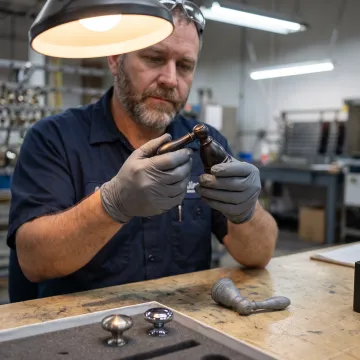
Architectural finishes encompass surface treatments applied to metals, plastics, and other materials to achieve specific aesthetic and functional properties. Common categories include metallic finishes (polished chrome, brushed nickel, oil-rubbed bronze, antique brass), protective coatings (clear lacquers, UV-resistant topcoats, anodizing), decorative treatments (patinas, antiquing, color tinting), and functional coatings (anti-fingerprint, antimicrobial, EMI shielding). These finishes serve dual purposes—enhancing visual appeal while providing protection against corrosion, wear, UV degradation, and chemical exposure. Selection criteria include interior versus exterior application, expected traffic levels, cleaning protocols, design intent, and budget. Professional finishing houses offer sampling services to evaluate appearance, durability, and compatibility before committing to full production runs.
How long do architectural metal finishes last?
Finish longevity depends on the finishing method, substrate preparation, environmental exposure, and maintenance practices. High-quality electroplated finishes typically last 10-20 years in interior applications with proper care, while PVD coatings can exceed 25 years due to their exceptional hardness and corrosion resistance. Exterior applications face accelerated degradation from UV exposure, temperature cycling, and moisture—requiring more durable finishing systems like PVD or specialized UV-resistant topcoats. Proper surface preparation is critical; poorly prepared substrates lead to premature delamination regardless of finish quality. Regular maintenance extends finish life significantly—gentle cleaning prevents abrasive damage, while avoiding harsh chemicals preserves protective coatings. Premium finishing processes with rigorous quality control deliver substantially longer service life than economy alternatives.
Can you match finishes between metal and plastic components?
Yes, advanced finishing capabilities enable precise matching between metal and plastic substrates—critical for architectural applications combining both materials. This requires specialized expertise because metals and plastics accept finishes differently due to their distinct surface chemistries and thermal properties. Our electroplating-on-plastic systems, developed over decades, replicate metal finishes on engineering-grade plastics including Ultem, nylon, polycarbonate, and LCP. The process involves proprietary pretreatment, basecoating, metallizing or plating, and protective topcoating to achieve identical appearance and comparable durability to metal-on-metal finishes. Applications include architectural hardware where weight reduction or design complexity favors plastic components while maintaining visual consistency across the assembly. Sampling is recommended to verify color matching, texture uniformity, and performance characteristics before production.
What is the difference between electroplating and PVD coating?
Electroplating deposits metal ions onto substrates through electrochemical processes in liquid baths, creating finishes like chrome, nickel, gold, and bronze with traditional metallic aesthetics and moderate durability. PVD (Physical Vapor Deposition) uses vacuum chambers to vaporize source materials that condense onto substrates as extremely thin, hard ceramic or metallic coatings—delivering superior hardness, wear resistance, and corrosion protection. Electroplating excels for classic architectural finishes, complex geometries, and applications requiring specific electrical properties, while PVD provides unmatched durability for high-traffic hardware, anti-fingerprint requirements, and environments demanding chemical resistance. PVD coatings like titanium nitride achieve hardness levels impossible with electroplating but offer more limited color options. Many architectural projects benefit from combining both methods—electroplating for aesthetic foundation layers with PVD topcoats for protection.
How do I specify the right finish for my architectural project?
Start by defining your project requirements across four dimensions: aesthetic intent (modern, traditional, industrial), functional demands (durability, corrosion resistance, maintenance), environmental conditions (interior/exterior, humidity, UV exposure, traffic levels), and budget constraints. Review finish samples under your actual lighting conditions—metallic finishes appear dramatically different under LED versus natural light. Consider the entire lifecycle: installation handling, daily use patterns, cleaning protocols, and expected replacement intervals. Consult with finishing experts early in the design process to understand substrate limitations, lead times, and minimum order quantities. Request physical samples rather than relying solely on digital representations or finish charts. For large projects, specify testing protocols including adhesion testing, salt spray exposure, and accelerated weathering to validate performance before full production.
Do you offer sample finishing services for architectural projects?
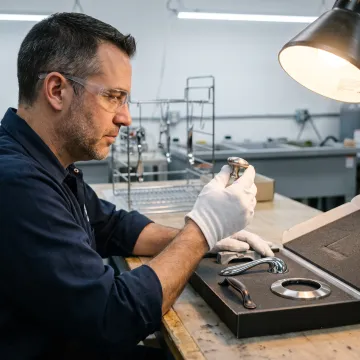
Yes, we provide free sampling services for most architectural applications to ensure finish compatibility, appearance verification, and performance validation before production commitment. Our sampling process includes substrate evaluation, finish recommendation based on your specifications, production of representative samples using actual manufacturing processes, and consultation on any needed adjustments. With in-house tooling design and build capabilities, we can accommodate complex geometries and custom finishing requirements during the sampling phase. Our expertise enables rapid turnaround—typically moving from initial sample request to production-ready finishes in half the standard industry lead time. We recommend sampling under your actual installation conditions and lighting to make informed decisions, and we welcome iterative refinement to achieve your exact vision for color, texture, and durability characteristics.