What is the process of electroplating metal finishing?
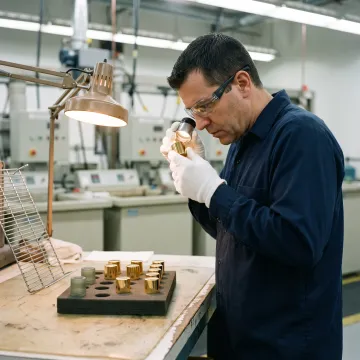
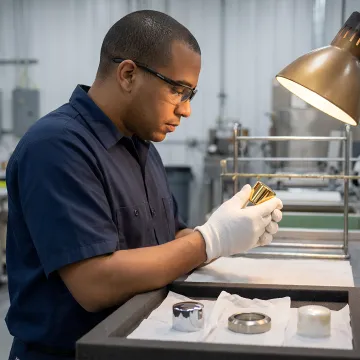
Electroplating metal finishing is an electrochemical process that deposits a thin layer of metal onto a substrate (plastic, metal, or glass) to achieve desired aesthetic or functional properties. At Providence Metallizing, our process begins with thorough surface preparation including cleaning and activation to ensure optimal adhesion. For plastic substrates, we use advanced pre-treatment techniques including proprietary plasma treatment for difficult materials. The parts are then immersed in electrolyte solutions where controlled electrical current causes metal ions to bond to the surface. We offer over 30 finish options including precious metals (14K, 18K, 24K gold), chrome, nickel, copper, and architectural finishes. Our European-quality systems deliver superior consistency and adhesion compared to standard industry processes, with capability to plate engineering-grade plastics like Ultem, Nylon, and LCP—matching the same finish quality achievable on traditional metal substrates.
What types of finishes can you apply to plastic substrates?
We've developed the industry's most consistent and flexible plating-on-plastic line, capable of producing over 30 different finishes on plastic substrates. Our finish options include precious metals (14K, 18K, 24K gold plating), silver, chrome, white bronze, hematite, brushed stainless, satin nickel, and architectural finishes like antique brass, oil-rubbed bronze, and brushed nickel. Through vacuum metallizing, we create mirror finishes, custom colors (gold, copper, rose gold), and transparent metallic effects. We can process most engineering-grade plastics including ABS, Polypropylene, PC/ABS, Ultem, Nylon, LCP, and other specialty materials—even difficult-to-metallize substrates like PP and HDPE. Any finish producible on metal can be replicated on plastic with equivalent quality, which is critical for applications requiring matched metal and plastic components in medical devices, plumbing fixtures, and consumer electronics.
How long does the electroplating process typically take?
Turnaround time varies based on finish complexity, substrate material, part geometry, and production volume, but we're known throughout the industry for exceptionally fast service. Our in-house custom tooling design and build capabilities enable us to move parts from initial sampling to full production in half the normal lead times compared to competitors. For prototype and sampling work, we offer free sampling services for most applications with rapid turnaround to validate finishes before committing to production tooling. Our 200,000+ square foot facility operates on extended 24/5 working hours, allowing us to process trailer loads of material daily and handle over 20 different jobs simultaneously. We can produce over a million parts per week when needed. For specific project timelines, contact our team with your part specifications, desired finish, and volume requirements—we'll provide a detailed schedule that meets your product launch or production deadlines.
What industries do you serve with your finishing services?
We serve diverse industries requiring precision finishing, with particular expertise in the cosmetic and personal care sectors where we've been an approved supplier for over 25 years to global leaders including Estée Lauder, L'Oreal, Avon, and Elizabeth Arden. Our cosmetic work includes caps, closures, collars, fragrance bottles, and packaging components for brands like Clinique, Victoria's Secret, Tommy, and Coach. Beyond cosmetics, we serve the jewelry industry (our founding market), lamp and lighting manufacturers, electronic and medical device producers, plumbing and hardware companies, automotive suppliers, and architectural finishing markets. We process components for writing instruments, tableware and ornaments, trophy and novelty items, and liquor and beverage packaging. Our technical capabilities—including EMI-RFI shielding through PVD sputtering—make us valuable to hi-tech applications requiring specialized functional coatings on engineered plastic substrates.
Are your electroplating processes environmentally compliant?
Yes, we maintain ROHS (Restriction of Hazardous Substances) compliant metallizing and plating processes to meet international environmental and safety standards. Our modern facility implements responsible chemical management, waste treatment, and emission control systems that comply with EPA regulations and industry-specific requirements. For the cosmetic industry, our UV coating systems and proprietary topcoats meet stringent safety standards required by global beauty brands for products that contact skin. We've invested in advanced pre-treatment and plasma technologies that achieve superior adhesion without harsh chemical processes that can weaken or embrittle parts. When specifying finishes for your application, our technical team can provide detailed compliance documentation including material safety data sheets, ROHS certificates, and finish composition reports to support your regulatory requirements, particularly critical for medical devices, consumer products, and electronic components with specific environmental compliance mandates.
Can you match finishes between metal and plastic components?
Absolutely—this is one of our core technical differentiators and a frequent requirement in electronic, medical, plumbing, and hardware industries where products combine metal and plastic parts that must appear identical. Our proprietary plating-on-plastic systems can replicate virtually any finish achievable on metal substrates, including chrome, various gold karats, brushed stainless, satin nickel, antique brass, and oil-rubbed bronze. We've engineered our processes specifically to deliver consistent color, texture, and reflectivity across different substrate materials. Our quality control systems ensure batch-to-batch consistency, so components manufactured months apart maintain perfect finish matching. This capability extends to engineering-grade plastics like Ultem, Nylon, and LCP that are commonly paired with metal housings in demanding applications. During sampling, we'll work with you to establish precise finish standards and provide matched samples across all substrate materials before production begins.
Do you offer prototyping and sampling services?
Yes, we offer free sampling services for most customers and applications—part of our commitment to being amazingly responsive to customer needs. Our dedicated prototyping capabilities, supported by in-house custom tooling design and build, enable rapid iteration from concept to validated production finish. We've created a separate company specifically for custom tooling design, which adds significant capacity and efficiency to our sampling process. This infrastructure allows us to evaluate your parts with multiple finish options, test adhesion and durability, and optimize processing parameters before committing to full production tooling. You'll receive physical samples that accurately represent production quality, allowing your design and engineering teams to make informed decisions. Our technical staff works closely with you during sampling to understand aesthetic goals, functional requirements, and production volume needs—ensuring the final finish specification meets all performance criteria while remaining manufacturable at your target cost and lead time.
What is your production capacity for large orders?
Our production capacity is substantial—we operate over 200,000 square feet of working space on extended 24/5 schedules, enabling us to process trailer loads of material every day. We can produce over a million parts per week and handle over 20 different jobs simultaneously without compromising quality or consistency. Our vacuum metallizing chambers and plating lines are designed for high-volume efficiency while maintaining jewelry-quality standards. For cosmetic industry clients, we're equipped to handle seasonal volume surges common with product launches and holiday peaks. Our flexible manufacturing system can scale from prototype quantities to ongoing production of hundreds of thousands of parts monthly. The combination of in-house tooling fabrication, multiple processing lines, and extended operating hours means we can accommodate both large blanket orders with scheduled releases and quick-turn emergency requirements. If you're planning a high-volume program, contact us early in your development cycle—we'll work with you to ensure adequate capacity, optimized tooling, and production scheduling that supports your go-to-market strategy.