How to get satin finish on metal?
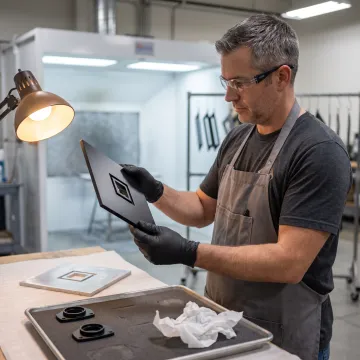
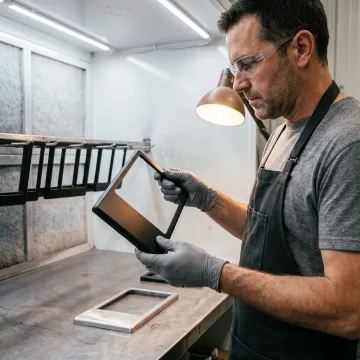
A satin finish on metal is achieved through a combination of mechanical polishing and controlled surface treatment. At PMC, we use automated satin polishing systems that create uniform, non-reflective textures on aluminum and other metals. The process typically involves initial surface preparation, mechanical abrasion with specialized media to create the desired texture, followed by protective coating application. For decorative aluminum, we often combine satin polishing with electroplating or PVD coating to enhance durability and corrosion resistance while maintaining the distinctive matte appearance.
What is the difference between satin and polished metal finishes?
Satin finishes have a soft, non-reflective appearance with a uniform directional texture, while polished finishes are mirror-like and highly reflective. Satin finishes are ideal for architectural hardware and decorative applications where glare reduction and a sophisticated matte aesthetic are desired. Polished finishes are better suited for applications requiring maximum reflectivity or a traditional metallic shine. At PMC, we can produce both finishes on aluminum substrates, and we often combine them—such as high-polishing deep-drawn brass parts completely, then satin-polishing only the high ridges for dimensional contrast.
How durable is a satin black finish on aluminum?
The durability of a satin black finish on aluminum depends on the coating method and protective topcoat used. Our electroplated and PVD satin black finishes offer exceptional wear resistance and corrosion protection, suitable for architectural hardware, automotive trim, and high-contact applications. We enhance durability further with proprietary UV-cured topcoats that provide scratch resistance, chemical protection, and long-term color stability. For industrial and outdoor applications, our PVD methods—such as titanium nitride and zirconium nitride—deliver superior hardness and environmental resistance compared to conventional electroplating alone.
Can you match satin black finishes on different materials?
Yes, we specialize in matching finishes across metal, plastic, and glass substrates—a critical capability for products requiring consistent appearance across multiple components. Our most flexible plating-on-plastic line in the industry can produce over 30 different finishes, including satin black, on engineering-grade plastics such as Ultem, Nylon, and LCP. This allows us to match the exact color, texture, and sheen of satin black aluminum finishes on plastic housings, closures, or trim pieces. This capability is essential for electronic, medical, plumbing, and hardware industries where aesthetic continuity is paramount.
What is the minimum order quantity for satin black aluminum finishing?
We accommodate both prototype and high-volume production runs. For prototype and sampling, we offer free sampling services for most customers and applications, allowing you to evaluate finish quality before committing to production. Our in-house custom tooling division enables us to move parts from sampling to full-scale production in half the normal lead times. For high-volume orders, our 200,000+ sq.ft. facility can process over a million parts per week, handling trailer loads of material daily while maintaining jewelry-quality consistency across every component.
How long does the satin black finishing process take?
Turnaround time depends on part complexity, quantity, and finish specifications, but we're known industry-wide for exceptionally fast service. Our 24-5 working hours and in-house custom tooling capabilities allow us to complete projects in half the normal lead times. For sampling and prototyping, we typically deliver finished parts within days rather than weeks. High-volume production runs are scheduled based on capacity, but our streamlined processes and dedicated finishing lines ensure minimal delays. Contact us with your project specifications for an accurate timeline estimate tailored to your requirements.
Is the satin black finish ROHS compliant and environmentally safe?
Yes, we offer ROHS-compliant metallizing and plating processes for all our finishing services, including satin black coatings on aluminum. Our electroplating systems use lead-free chemistries, and our PVD methods are inherently environmentally friendly as they're solvent-free, dry processes. For cosmetic and consumer product applications, our finishes meet stringent regulatory requirements for heavy metal content and VOC emissions. We work closely with clients in the medical, electronic, and cosmetic industries to ensure full compliance with international environmental and safety standards for finished components.
What industries commonly use satin black aluminum finishes?
Satin black aluminum finishes are widely used across architectural hardware, automotive trim, consumer electronics, medical devices, plumbing fixtures, lighting components, and high-end cosmetic packaging. Architects specify satin black for door hardware, railings, and façade elements where a modern, non-reflective appearance is desired. Automotive designers use it for interior trim, badges, and exterior accents. Electronics manufacturers apply it to housings and heat sinks for EMI shielding and aesthetic appeal. We've supplied satin black finishes to customers in all these sectors, leveraging our 60+ years of metallizing expertise to meet exacting specifications.