What is the difference between electropolishing and mechanical polishing?
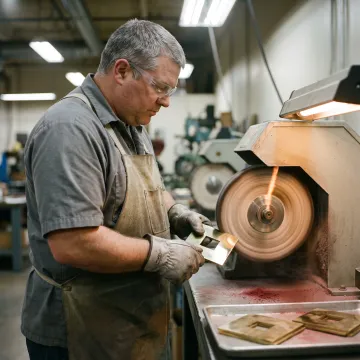
Mechanical polishing uses abrasive compounds and buffing wheels to physically remove surface material, creating mirror-bright or satin finishes through controlled friction. This process is ideal for achieving brilliant decorative finishes and preparing surfaces for plating. Electropolishing, by contrast, is an electrochemical process that removes surface material through controlled dissolution, resulting in extremely smooth, burr-free surfaces with enhanced corrosion resistance. At Providence Metallizing, our mechanical polishing services can be integrated with our electroplating capabilities to combine the aesthetic benefits of mechanical polishing with the functional advantages of electrochemical finishing, delivering superior results for both decorative and functional applications.
What types of materials can you mechanically polish?
Our automated polishing systems are optimized for brass, steel, zinc, white metal, and various engineering-grade plastics including ABS and polypropylene. We specialize in deep-drawn brass components, die-cast zinc parts, and complex geometries across industrial, decorative, and precision applications. Our three-step integrated process can prepare virtually any metal or compatible plastic substrate for subsequent electroplating, metallizing, or UV coating. If you have a specialized material or challenging component geometry, our team can evaluate it through our free sampling service to determine the optimal polishing approach for your specific requirements.
Can you polish parts with complex shapes or deep-drawn features?
Absolutely. Our automated polishing equipment is specifically designed to handle complex geometries and deep-drawn components. We excel at completely high-polishing intricate brass parts, then selectively applying satin finishes to raised ridges and contours. With over 70 years of experience adapting equipment and techniques for challenging parts, we've developed specialized tooling and processes for components that other finishing houses cannot accommodate. Our 200,000 sq.ft. facility includes custom-built polishing systems for lamp and lighting components, jewelry with intricate details, and industrial parts with tight tolerances. We encourage submitting samples of your most challenging components for evaluation.
What finishes can you achieve with mechanical polishing?
Our mechanical polishing services deliver two primary finish types: high polish (mirror-bright) and satin polish (brushed/matte). The high polish creates brilliant, reflective surfaces ideal for decorative applications and pre-plating preparation, while satin polishing produces elegant matte textures perfect for contrast finishing. We can also combine both finishes on a single part—applying automatic high polish to the entire component, then satin polishing only on raised features or specific areas. When integrated with our electroplating and metallizing capabilities, these polished surfaces serve as the foundation for over 30 different plated finishes including chrome, gold, silver, bronze, and specialty architectural finishes.
How long does the mechanical polishing process take?
Turnaround time depends on part complexity, quantity, and finish requirements. Our streamlined processes and in-house custom tooling capability enable us to move parts from sampling to full production in half the normal industry lead times. For prototype and sampling requests, we typically provide finished samples within days rather than weeks. High-volume production runs benefit from our 24-5 operating schedule and over 200,000 sq.ft. of working space, allowing us to process trailer loads of material daily while maintaining consistent quality. Contact us with your specific part details and timeline requirements for an accurate turnaround estimate tailored to your project.
Do you offer sample polishing before committing to production?
Yes, we provide free sampling services for most customers and applications. This allows you to evaluate our polishing quality, finish consistency, and suitability for your specific parts before committing to production volumes. Simply send us your components along with your finish requirements, and our team will process samples demonstrating the achievable results. We strongly encourage sampling for new projects, especially those involving complex geometries, unique materials, or integration with our plating and coating services. Our goal is to ensure complete satisfaction with the finish before you invest in tooling or production quantities.
Can polished parts be further finished with plating or coating?
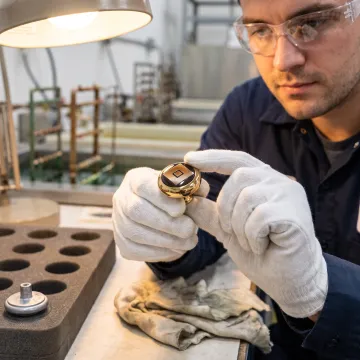
Absolutely—this is one of our core strengths. Our three-step integrated finishing process combines mechanical polishing with electroplating, vacuum metallizing, and UV coating technologies. Polishing creates the optimal surface condition for superior coating adhesion and finish quality. We can polish your parts to a mirror finish, then apply decorative chrome, 24K gold plating, specialty metallized colors, or protective UV topcoats. This integrated approach, all performed in-house at our facility, ensures consistent quality control and eliminates the delays and quality risks associated with shipping parts between multiple vendors. The result is jewelry-quality finishes with exceptional adhesion and durability.
What industries do you serve with mechanical polishing?
We serve diverse industries including cosmetics and personal care (caps, closures, packaging components), jewelry and fashion accessories, lamp and lighting fixtures, automotive trim and hardware, medical devices, plumbing and architectural hardware, electronic components, and industrial equipment. Over 70 years, we've built specialized expertise in each sector's unique finishing requirements—from the flawless aesthetics demanded by cosmetic brands like Estée Lauder and L'Oreal to the durability and precision required for medical and electronic applications. Our high-volume capacity handles both decorative consumer products and functional industrial components with equal expertise and quality consistency.