What is PVD nickel plating?
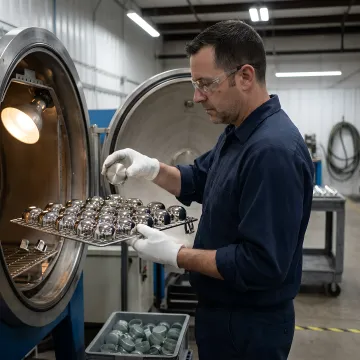
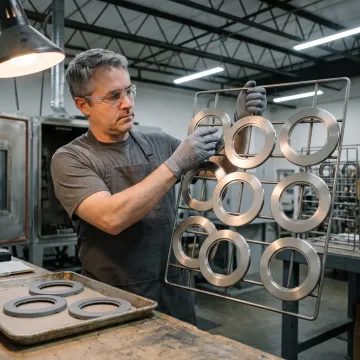
PVD (Physical Vapor Deposition) nickel plating is an advanced coating process where nickel is vaporized in a vacuum chamber and deposited onto substrates as a thin, uniform film. Unlike traditional electroplating, PVD uses magnetron sputtering or reactive arc deposition to create highly durable, corrosion-resistant coatings with superior adhesion. This method produces exceptional finish consistency on complex geometries and engineering-grade plastics like Ultem, polycarbonate, and nylon, making it ideal for electronic shielding, medical devices, and precision industrial components.
What substrates can receive nickel PVD coating?
Our nickel PVD coating processes work on a wide range of materials including die-cast metals (zinc, aluminum), machined brass and steel, injection-molded plastics (ABS, polypropylene, PC/ABS), and engineering-grade polymers (Ultem, nylon, LCP, polycarbonate). With 60+ years of experience handling difficult-to-metallize materials, we've developed advanced pre-treatment and plasma techniques that ensure flawless adhesion on challenging substrates including HDPE and polypropylene. Each material receives customized process parameters optimized for maximum coating performance and durability.
How does nickel PVD coating compare to electroless nickel plating?
Both processes produce excellent nickel coatings but serve different applications. PVD nickel coating uses vacuum deposition for ultra-thin, uniform films ideal for EMI-RFI shielding and decorative finishes on plastics, offering superior hardness and wear resistance. Electroless nickel plating deposits thicker coatings through chemical reduction, providing excellent corrosion protection and uniform coverage on complex internal geometries. We offer both methods and can recommend the optimal process based on your substrate material, performance requirements, coating thickness specifications, and production volume needs.
What finishes are available with nickel PVD coating?
Our nickel PVD capabilities include brilliant mirror finishes, satin and brushed textures, antique treatments, and functional coatings for EMI-RFI shielding. We can produce decorative architectural finishes like satin nickel and brushed stainless, as well as specialized treatments including electroless nickel for corrosion resistance. Finishes can be customized with our proprietary UV topcoat systems for enhanced scratch resistance and durability. All coatings are ROHS compliant and meet stringent quality standards for cosmetic, medical, electronic, and industrial applications.
How long does the nickel PVD coating process take?
Lead times vary by project complexity, finish specifications, and production volume. For prototype and sampling work, our in-house custom tooling design and build capability enables us to move from initial samples to production in half the normal industry lead times, often within 1-2 weeks. High-volume production runs benefit from our 24-5 operations and 200,000+ sq.ft. facility capacity, processing trailer loads of material daily. We offer free sampling services for most applications, allowing you to validate finish quality before committing to full production schedules.
What industries use nickel PVD coating?
Nickel PVD coating serves diverse sectors including electronics (EMI-RFI shielding for housings and connectors), medical devices (biocompatible corrosion-resistant components), automotive (decorative and functional trim), plumbing and hardware (architectural finishes matching metal and plastic parts), and cosmetics (packaging caps and closures requiring flawless appearance). Our approved supplier status with Estée Lauder, L'Oreal, Avon, and Elizabeth Arden demonstrates our capability to meet the most demanding cosmetic industry standards while serving industrial, architectural, and hi-tech applications.
Can nickel PVD coating match existing metal finishes?
Absolutely. One of our core competencies is matching finishes on metal and plastic components—critical for electronic, medical, plumbing, and hardware applications where assemblies combine different substrate materials. Our most consistent and flexible plating-on-plastic line in the industry produces over 30 different finishes, ensuring that plastic parts receive identical appearance and performance characteristics as their metal counterparts. We maintain jewelry-quality color matching standards and offer free sampling to validate finish compatibility before production.
What quality standards does PMC maintain for nickel coating?
Providence Metallizing Company maintains approved supplier status with global industry leaders including Estée Lauder, L'Oreal, Avon, and Elizabeth Arden—a testament to our unwavering quality standards. All nickel coatings are ROHS compliant and produced in our world-class 200,000+ sq.ft. facility using advanced process controls and inspection protocols. Our plating systems far outperform standard processes for quality, consistency, and speed. With over 60 years of finishing experience and 2nd generation ownership, we deliver European-quality results with the fast turnaround and customer service excellence that built our reputation.